insurance
What Is White Label Insurance?
Fact-checked and reviewed by Kiruba Shankar Eswaran or another licensed agent on our team. Read our editorial standards.
This guide is for general educational purposes and is not insurance advice. Product features, availability, and amounts vary by state and by policy. Always review the official plan documents for the full terms, limitations, and exclusions before you buy.
White label insurance is a business model where an insurance provider creates insurance products and solutions that other companies rebrand and sell directly to their own customers under their own brand name.
In essence, the insurance provider (like Eleos) handles all the backend complexity — underwriting, compliance, claims management — while your company takes the front-end credit, revenue, and customer relationship.
Think of it like this: just as a grocery store can sell products under its own private label while another company manufactures them, white label insurance allows fintech apps, lending platforms, savings apps, and other brands to offer protection without building an insurance company from scratch.
White label insurance operates through a streamlined partnership model.
You select one of three integration options — no-code, low-code, or API — to connect your platform to the insurance provider's infrastructure.
Your company's logo, colors, and messaging appear throughout the entire customer journey, so the experience feels native to your brand from quote to policy.
Your customers purchase insurance through your platform. The insurance provider handles underwriting, approval, and fulfillment behind the scenes.
The white label insurance provider typically manages regulatory compliance, claims processing, and ongoing customer support. You remain responsible for the customer-facing brand.
Your company earns a commission on every policy sold.
White label insurance offers substantial incentives and competitive advantages.
Companies can launch insurance offerings in a matter of weeks instead of months or years. There is no need to build your own infrastructure or hire insurance specialists.
Traditional insurance launches require significant capital investment. With white label solutions, there are little to no upfront development costs, licensing fees, or compliance expenditures. Your white label insurance provider typically covers the infrastructure.
Insurance is heavily regulated, and requirements vary state by state. A white label provider can help you navigate producer licensing, product filings, and marketing rules, and in many arrangements the provider or its licensed agency acts as the licensed entity of record so your team does not have to carry that burden alone. The right structure depends on your business model and the states you operate in, and your provider should walk you through it before launch.
Earn commission on every policy sold without managing claims, underwriting, or customer service. The provider handles the operational side.
Offer customers seamless, integrated insurance directly within your existing platform. No need to download new apps or go through a different company — just the smooth experience today's consumers expect.
White label insurance works across multiple platforms and business models.
A lending app offers white-labeled disability insurance at checkout. Borrowers purchase coverage while securing their loan, protecting both the borrower and the lender.
A savings app embeds white-labeled life insurance to help families build financial resilience, positioning the provider as part of the broader financial wellness ecosystem.
A payment app offers payment protection insurance. BNPL providers use white label insurance to reduce churn and build customer loyalty.
HR software includes white-labeled disability and life insurance as employee benefits, differentiating the platform.
Premium subscriptions bundle device protection, travel insurance, and accidental damage coverage as member perks. Subscribers receive coverage without separate enrollment, improving retention and perceived value.
Eleos is a fully digital white-label provider of life and disability insurance in the U.S., helping brands launch embedded protection quickly.
✓ Fast launch — Industry-leading integration speed with dedicated customer success support.
✓ No-cost integration — No setup fees, no licensing costs, no infrastructure investment.
✓ Competitive commission structure — Commission rates with flexible terms based on your market and partnership model.
✓ Wellness perks included — Your customers get access to remote primary care, mental health support, and physiotherapy at no extra cost to you, differentiating your offering.
Partnering with Eleos gives your company the edge to move faster than competitors still building protection in-house.
The timing is strong for white label insurance partnerships.
→ At least 51 million working adults in the United States are without disability insurance other than the basic coverage available through Social Security, leaving them financially vulnerable if they are unable to work. (CDIA, based on ACLI analysis of 2022 Census data and the 2020 MacroMonitor Household Survey)
→ 26% of employed American adults don't know how they would cover living expenses if they couldn't work for up to three years, and only 31% have long-term disability insurance. (Policygenius/YouGov survey of 1,416 working adults, August 2024)
→ About 1 in 4 of today's 20-year-olds will experience a work absence of at least one year due to a disabling condition before reaching retirement age. (Social Security Administration)
→ U.S. individual disability in-force premium reached $5.5 billion in 2024, up 3.2% year over year, across 3.1 million policies. New sales premium was $478.9 million, and while new policy counts rose 3.7%, new sales premium dipped 1.7% from 2023 — a sign that demand is steady but that distribution, not appetite, is the bottleneck. (Gen Re 2024 U.S. Individual Disability Market Survey)
→ 40% of American adults — close to 100 million people — say they need life insurance or more of it, while only 51% report having any coverage at all. (LIMRA and Life Happens, 2025 Insurance Barometer Study)
→ Roughly two-thirds of U.S. personal bankruptcies (66.5%) cite illness or medical bills as contributing factors, with 58.5% of filers pointing to medical bills and 44.3% to illness-related income loss. (Himmelstein et al., American Journal of Public Health, 2019, based on self-reported data from 910 filers between 2013 and 2016)
Your customers need financial protection. White label insurance lets you provide it without the operational complexity.
White label insurance transforms your customer experience, creates new revenue streams, and builds customer loyalty — all without adding operational complexity.
Interested in adding white label insurance to your platform? Contact us to discuss your partnership options. We'll outline integration timelines, commission structures, and custom solutions tailored to your platform.
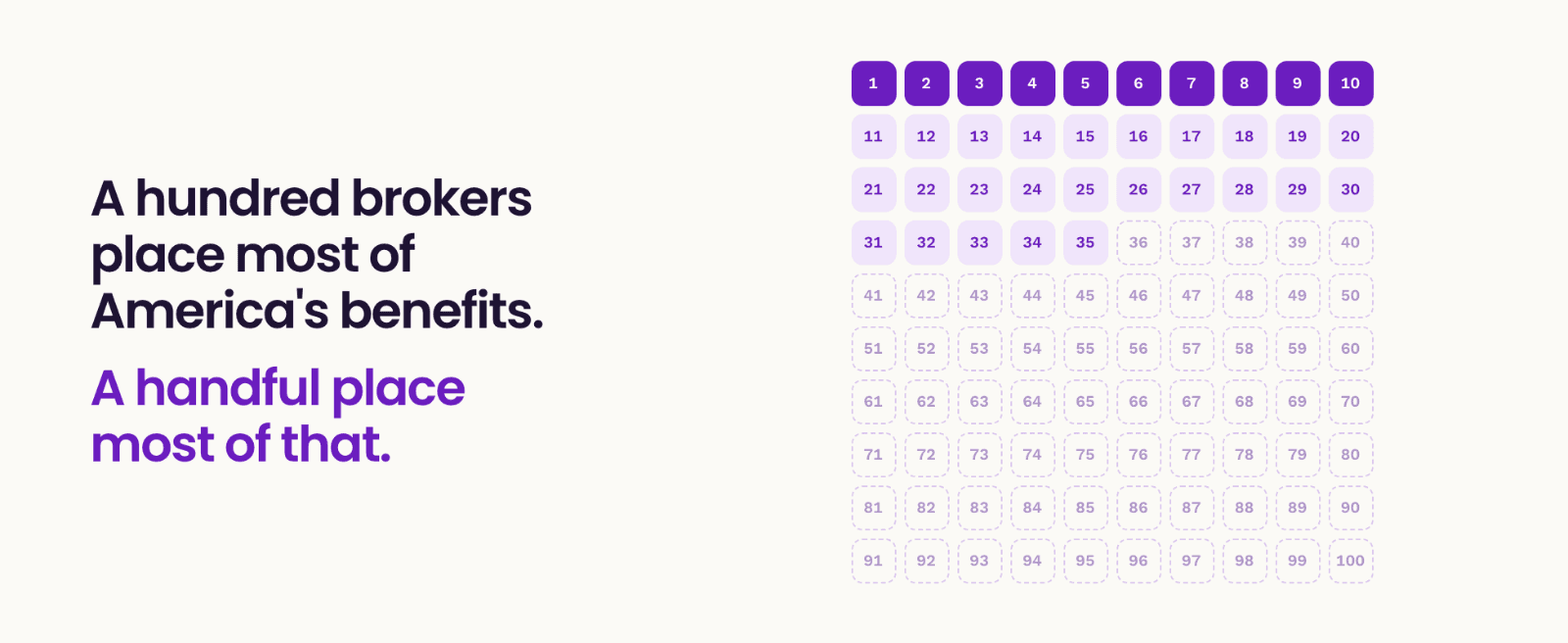
We read every 2024 US employer benefit filing and ranked the 100 largest employee benefits brokers by the premium they place. Mercer leads with $10.0bn, ahead of Marsh McLennan and Lockton. Includes commission, the rate each firm charges, employers served and people covered.
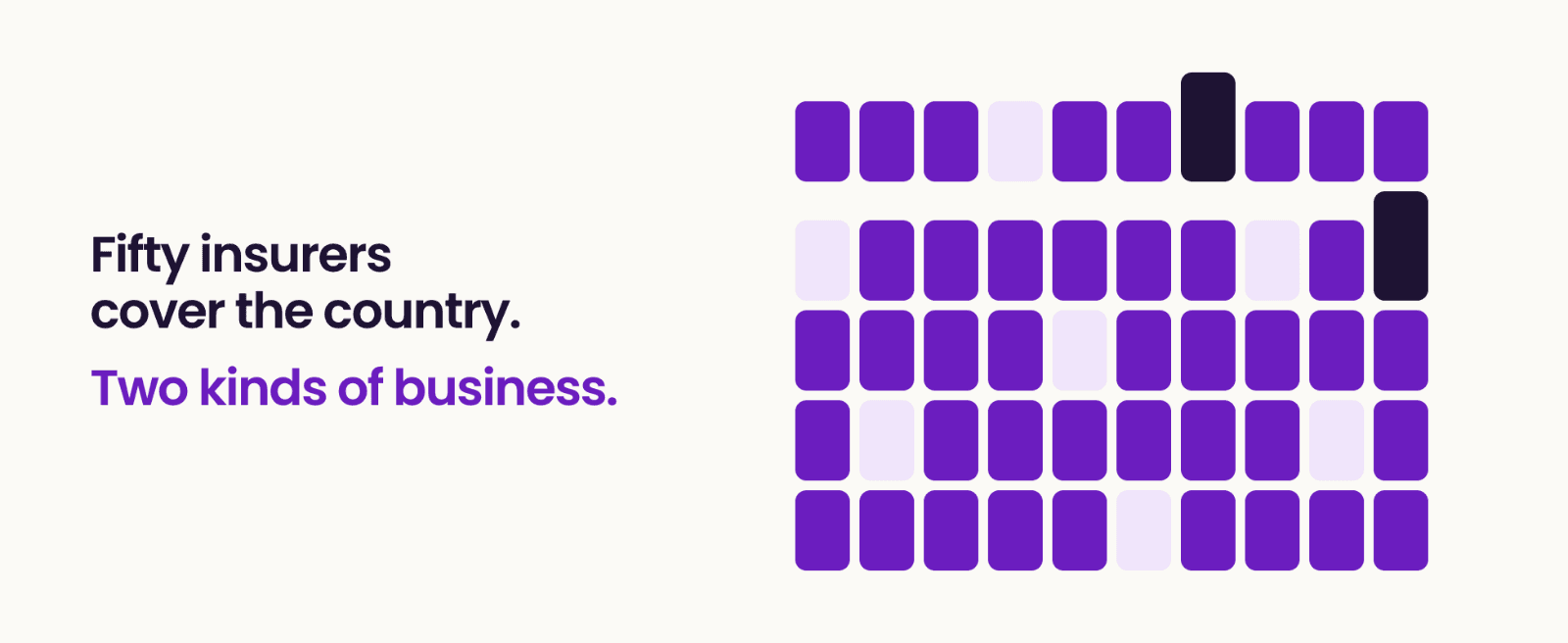
We read every 2024 US employer benefit filing and ranked the 50 largest employee benefits insurers by premium. Kaiser leads with $36.3bn. Split by benefit, MetLife leads dental, life and both disabilities while Blue Cross leads health and EyeMed vision.
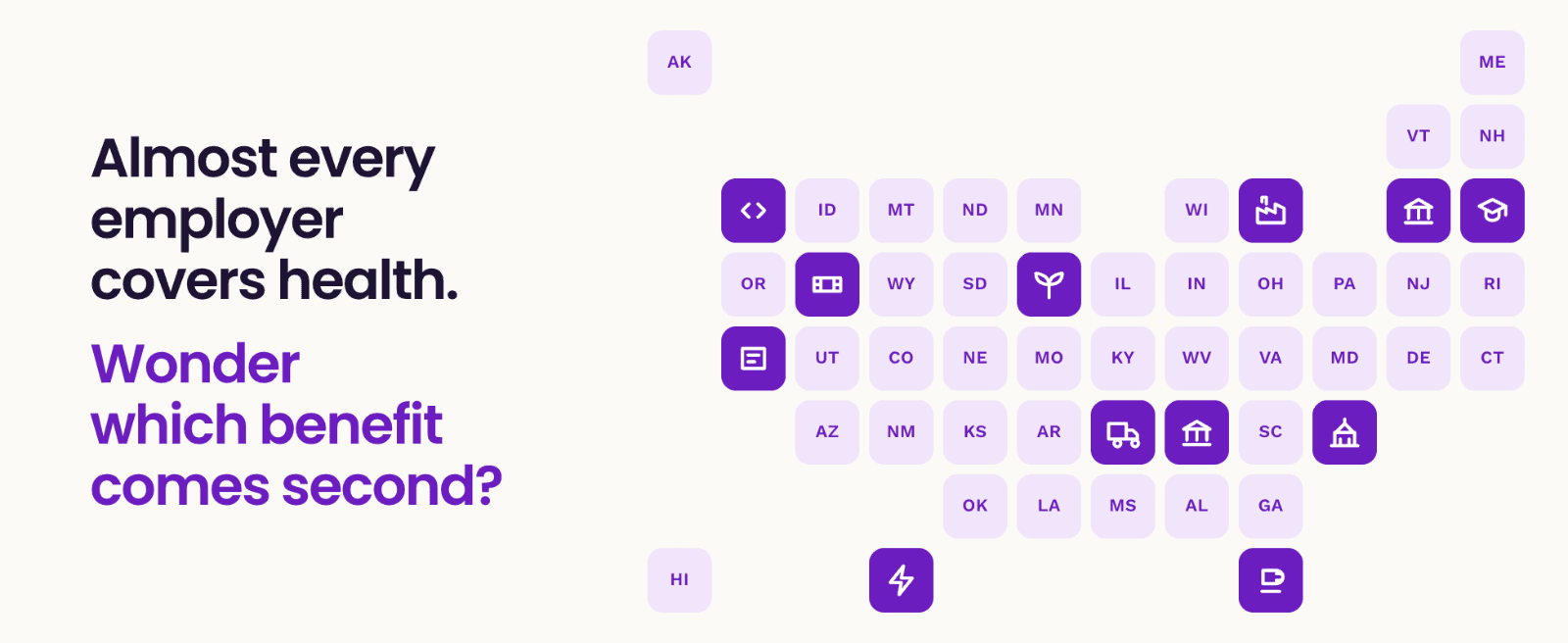
We analysed 1,010,279 public Form 5500 filings, covering more than 80 million people in US employer benefit plans. Dental shows up in 95.6% of benefit packages. Both short-term and long-term disability show up in 66.3%. Here is where the missing cover sits, by industry, by state and by plan size.
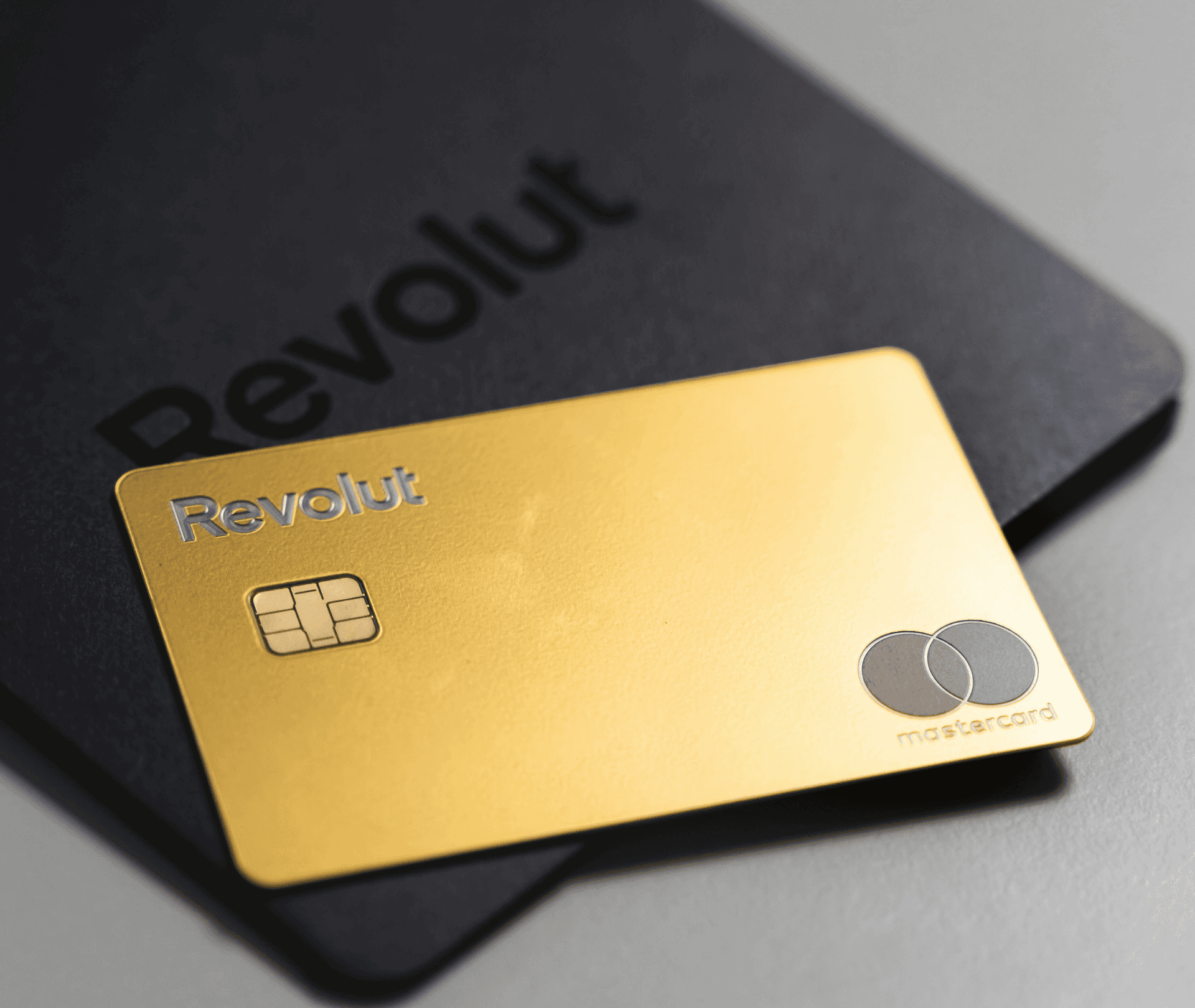
Fintech giants like Revolut aren’t just facilitating transactions; they’re fundamentally reshaping how we interact with money.

To be competitive in today’s neobanking landscape, Nubank knew they needed to go beyond the basics. They needed a way to deepen customer relationships while generating passive income: and embedded insurance was the key.